Understanding the Basics of Drag Racing
What is Drag Racing?
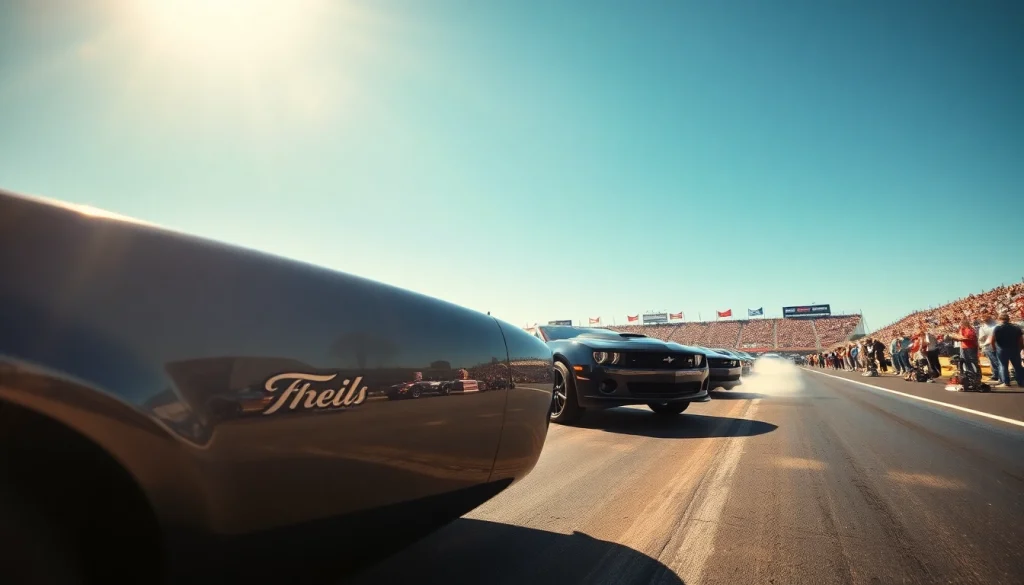
Drag racing is a thrilling form of motor sport where two vehicles, typically automobiles or motorcycles, compete head-to-head in a straight-line race on a track known as a dragstrip. The objective is simple: be the first to cross the finish line. These races usually cover a quarter-mile distance, though shorter distances may be used, depending on the event format. The excitement stems from the combination of high speeds, powerful vehicles, and the intense competition that drags enthusiasts thrive on. For a comprehensive understanding of what drag racing entails, communities and forums, like Drag Racing, can serve as valuable resources for both novice participants and seasoned racers alike.
The Legalities of Drag Racing
While legal drag racing events bring together racers and spectators in a regulated environment, it’s crucial to understand the legal boundaries of this sport. Most states have strict laws prohibiting illegal street racing, which can lead to severe penalties, including fines and confiscation of vehicles. Organizing or participating in sanctioned drag racing events means abiding by a strict set of rules that prioritize safety and fair competition. These regulations often cover aspects like vehicle modifications, safety equipment requirements, and driver conduct on track.
In addition, renowned organizations like the National Hot Rod Association (NHRA) play a significant role in promoting safe drag racing practices and providing a structured framework for conducting events. Adhering to these guidelines helps ensure a thrilling and safe racing environment for everyone involved.
Types of Drag Racing Events
Drag racing is not a one-size-fits-all sport; it comprises various formats and styles to cater to different preferences and skill levels. Here are some prominent types:
- Bracket Racing: A competitive format where cars of different performance levels race against each other. Here, racers do not race against the clock but instead try to reach the finish line as close as possible to a predetermined time.
- Heads-Up Racing: A true test of speed where two cars race against each other with no restrictions on performance, often leading to tightly contested races.
- No Prep Racing: Cars race on surfaces that have not been prepped for optimal traction, making it a challenging format that tests driver skill and vehicle capability.
- Street Outlaw Events: These are often unregulated races that can lead to intense competition among modified street vehicles showcasing immense power and unique builds.
Essential Equipment for Drag Racing
Choosing the Right Vehicle
Choosing the right vehicle for drag racing involves more than just picking your dream car; it requires a keen understanding of your racing goals, budget, and the specific rules of the events you plan to participate in. The cars often used in drag racing are meticulously designed and engineered for optimal performance, including various makes and models that have proven their capabilities on the track. Popular options include:
- Muscle Cars: Old-school American muscle cars, like the Ford Mustang or Chevrolet Camaro, translate well on the drag strip thanks to their powerful engines and overall performance.
- Modified Sports Cars: Vehicles such as the Nissan GT-R or various Subaru models, which can be tuned for drag racing, are known for their torque and speed capabilities.
- Custom Builds: Many enthusiasts choose to build their vehicles from scratch or heavily modify existing ones to comply with racing regulations while maximizing performance.
Upgrades and Modifications for Performance
Upgrading your vehicle is essential to stay competitive in drag racing. Common modifications to enhance performance include:
- Engine Upgrades: This can involve turbocharging, supercharging, or swapping engines to improve horsepower and torque.
- Suspension Improvements: Employing high-quality suspension systems can significantly improve traction and stability during launches and throughout the race.
- Weight Reduction: Reducing the overall weight of your vehicle can lead to quicker acceleration and higher speeds. This may involve replacing parts with lightweight materials such as carbon fiber.
- Tires and Wheels: Specialized drag tires that provide extra grip and traction can be a game-changer in achieving quicker launch times.
Safety Gear and Regulations
Safety is paramount in drag racing, both for drivers and spectators. All drivers must wear appropriate safety gear, which may include:
- Helmets: Must meet specific safety standards to ensure the driver’s head is well-protected.
- Fire Suits: These suits, made of flame-retardant material, are essential for reducing the risks associated with engine fires.
- Gloves and Footwear: Specialized gloves and shoes designed for racing help maintain grip and reduce injury in case of accidents.
- Roll Cages: Many vehicles are required to have a roll cage to protect drivers during a crash.
Drag Racing Techniques for Better Performance
Perfecting Your Launch Technique
The launch is critical in drag racing, often determining the outcome of a race. A poor start can quickly lead to losing valuable seconds. Here are some techniques to master your launch:
- Create a solid reaction time by minimizing the delay between the green light and your response.
- Practice your throttle control to ensure you optimize your power while maintaining tire grip.
- Learn the ideal RPM for launch to maximize acceleration without spinning your tires.
Tuning Your Vehicle for Optimal Speed
Tuning your vehicle regularly is vital for maintaining performance. This includes adjusting things like fuel mixtures, ignition timing, and tire pressure to ensure your car performs consistently. Many advanced racers utilize tuning software and dynos to analyze and adjust their vehicle’s performance metrics accurately.
Understanding Track Conditions
The condition of the drag strip plays a crucial role in how well your vehicle performs. Factors such as track temperature, humidity, and surface composition all affect traction and speed. Racers must be adaptable, making real-time decisions about tire selection and launching techniques based on these conditions. Keeping a close eye on weather conditions leading up to your race can also provide insights into the possible performance of your car.
Community and Culture of Drag Racing
Famous Drag Racing Events Worldwide
Drag racing boasts a rich culture steeped in history, with notable events that draw participants and spectators from around the globe:
- The U.S. Nationals: Hosted by NHRA, this event is the premier drag racing event in the United States, attracting the best in the sport.
- The Gatornationals: Another NHRA event known for its challenging track conditions and competitive racing.
- Street Outlaws Events: Sanctioned races that showcase the fastest street cars and the incredible builds that go behind them.
Key Figures in the Drag Racing Scene
The drag racing community is filled with legendary figures who have significantly influenced the sport, including:
- Don Garlits: Known as “Big Daddy,” he’s credited with developing the rear-engine dragster that revolutionized the sport.
- John Force: A dominant force in NHRA Funny Car racing, recognized not only for his racing skills but also for his marketing prowess in elevating the sport.
- Shirley Muldowney: The first female driver to be licensed in Top Fuel, Muldowney is a trailblazer for women in motorsport.
The Role of Social Media in Drag Racing
In contemporary drag racing, social media provides a platform for enthusiasts to share experiences, learn from each other, and promote events. Platforms like Instagram and YouTube have become popular for showcasing races, builds, and tips while connecting racers and fans globally. The ability to share and consume content helps fortify the drag racing community, providing resources and inspiration to aspiring racers.
Future Trends in Drag Racing
Emerging Technologies in Drag Racing
As technology continues to evolve, so does drag racing. Innovations such as advanced telemetry systems allow for data analysis that can yield significant performance enhancements. The development of electric vehicles also plays a pivotal role in shaping the sport’s future, with leading manufacturers exploring electric drag racing technology that could redefine speed and power in a more environmentally friendly manner.
The Rise of Electric Drag Racing
In recent years, electric vehicles (EVs) have gained traction in drag racing, providing a new dimension of competition. Events like the “Electric Rush” showcase how vehicles like the Tesla Model S can compete at jaw-dropping speeds, challenging traditional gas-powered vehicles. Future innovations will likely involve more advanced battery technologies and electric motors, further pushing the boundaries of speed and performance on the drag strip.
Drag Racing Merchandise and Fan Engagement
Merchandising and fan engagement are becoming central to the drag racing experience, with fans eager to connect with their favorite drivers and teams. From die-cast models to clothing lines, merchandise plays a vital role in generating additional revenue for teams while also fostering fan loyalty. Engaging fans through meet-and-greet events, promotional giveaways, and social media interactions helps enhance their experience and support for the sport.